Exploring Different Forms of Low-Impact Physical Activity
Educational overview of gentle activities and their benefits for health and well-being
Physical activity is broadly recognized as beneficial for health and well-being across the lifespan. Low-impact activities are particularly valuable because they provide the benefits of movement while minimizing stress on joints and connective tissues. Understanding the different forms of low-impact activity and their general characteristics helps in appreciating how sustained movement contributes to long-term vitality.
Walking: The Accessible Foundation
Walking is perhaps the most universally accessible form of physical activity. It requires no special equipment or training, can be done virtually anywhere, and accommodates varying intensity levels. Walking involves continuous, rhythmic movement that engages the cardiovascular system, supports muscle tone in the legs and core, and promotes overall endurance. The natural nature of walking—an activity humans evolved to perform—makes it a sustainable practice across the lifespan.
Because of its accessibility and safety profile, walking serves as an excellent foundation for regular physical activity engagement. It can be modified for different fitness levels and settings, from leisurely strolls to brisk-paced walking.
Swimming and Water Activities
Water-based activities offer unique advantages for low-impact movement. Water provides buoyancy, which reduces the weight-bearing stress on joints while still providing resistance for muscle engagement. Swimming involves coordinated, rhythmic movements that engage multiple muscle groups and challenge the cardiovascular system. The resistance provided by water allows muscles to work without the joint impact that land-based activities might involve.
Water activities are particularly valued for their accessibility to individuals across different fitness levels and those seeking gentle forms of exercise. The cooling effect of water also provides comfort during sustained activity.
Cycling: Smooth, Continuous Movement
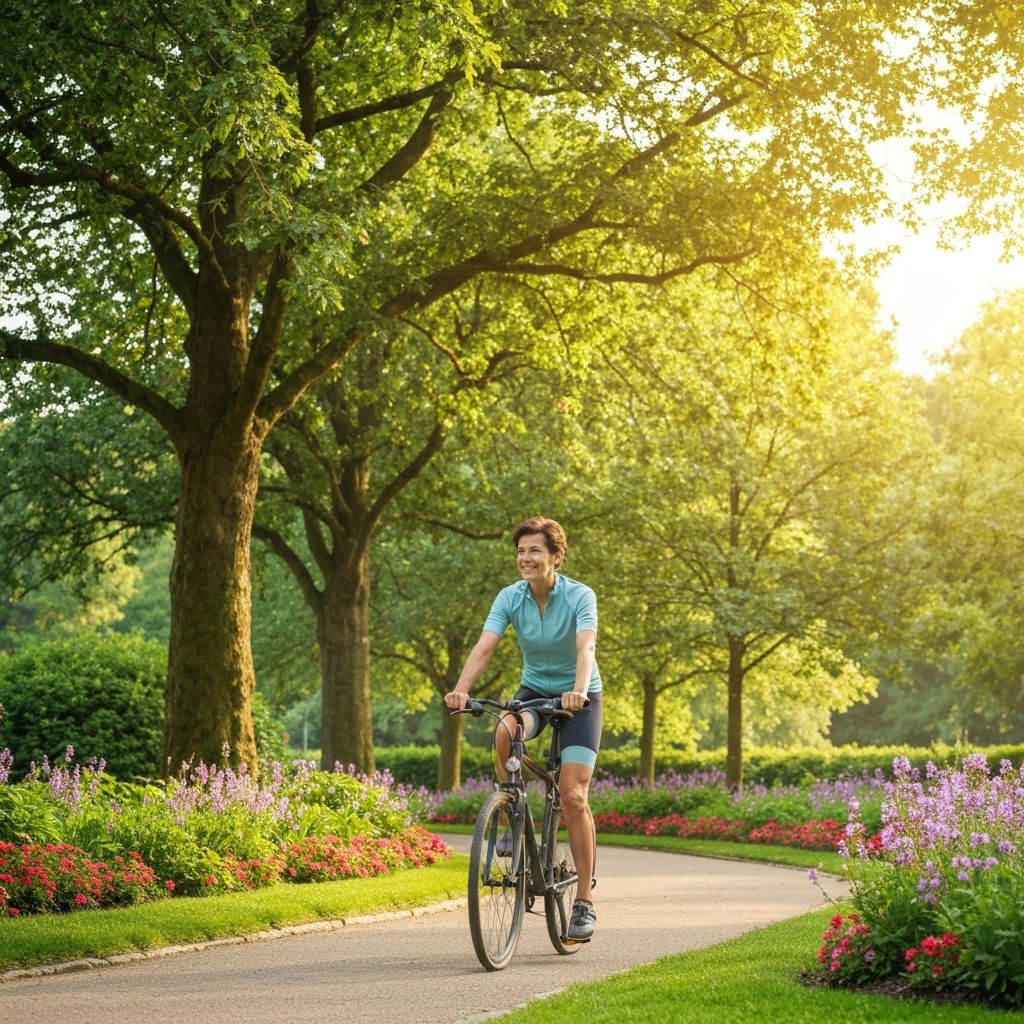
Cycling provides continuous, smooth movement that engages the leg muscles and cardiovascular system without the impact associated with running or jumping activities. The seated position and smooth pedaling motion make cycling accessible to many, and intensity can be easily adjusted. Cycling can be performed outdoors in natural settings or indoors on stationary equipment, offering flexibility in participation.
The muscular engagement in cycling develops endurance and supports cardiovascular health, while the smooth motion minimizes joint stress. Cycling naturally supports sustained activity for extended periods.
Yoga and Mindful Movement Practices
Yoga and similar mind-body practices combine movement, flexibility, and mindfulness. These practices involve controlled movements through various body positions, often held for specific durations, combined with breathwork and mental focus. Yoga practices vary widely in intensity and approach, from gentle, restorative styles to more dynamically challenging ones.
Beyond physical benefits, yoga practices often emphasize body awareness, balance development, and the integration of mind and body. The combination of movement, flexibility work, and mental focus supports comprehensive well-being. Yoga's accessibility to diverse populations and modifiable intensity make it a sustainable practice.
Tai Chi and Other Flowing Movement Forms
Tai chi, originating from traditional Chinese practices, involves slow, flowing movements performed with focus and control. The practice emphasizes smooth transitions between positions, balance, and integrated body movement. Tai chi develops strength, flexibility, and balance while maintaining a meditative quality. The slow, controlled pace makes it accessible to individuals of various ages and fitness levels.
The emphasis on balance development in tai chi has particular relevance for maintaining stability and confidence in daily movement. The mind-body connection emphasized in these practices contributes to overall well-being beyond purely physical benefits.
Gardening and Functional Movement
Gardening and similar functional activities involve practical movement integrated into daily life. These activities often combine sustained lower-intensity work with movement variety, engaging different muscle groups in natural, practical patterns. The engagement of both mind and body in purposeful activity contributes to well-being and provides the benefits of sustained movement.
General Benefits of Low-Impact Activity
Low-impact activities collectively offer several general benefits: they support cardiovascular health through sustained movement, engage muscles to maintain tone and functional strength, develop and maintain flexibility and balance, and do so without excessive joint stress. The accessibility of low-impact activities supports sustained engagement, a key factor in realizing long-term health benefits.
Beyond physical benefits, regular activity engagement contributes to mood, cognitive function, and overall sense of well-being. The accessibility and sustainability of low-impact activities make them particularly valuable for lifelong engagement with physical movement.
Conclusion
Low-impact physical activities encompass diverse approaches to movement, each with particular characteristics and benefits. From walking to swimming to yoga, these activities support cardiovascular health, muscular engagement, flexibility development, and overall well-being while minimizing joint stress. The variety available ensures that diverse individuals can find sustainable forms of activity aligned with their preferences and circumstances, supporting lifelong engagement with physical movement and its associated benefits.